
Manufacturing and industrial operations are undergoing a major transformation. Traditional methods driven by manual processes are being replaced by intelligent systems that deliver speed, precision, and consistency. At the center of this transformation lies Industrial Engineering and Automation—a discipline that blends engineering science, automation technologies, and digital intelligence to create efficient and future-ready industrial systems.
At iControl Technologies, we enable industries to modernize their operations through tailored industrial engineering and automation solutions that improve productivity, quality, and operational control.
Understanding Industrial Engineering and Automation
Industrial Engineering and Automation focuses on designing, integrating, and optimizing industrial systems to achieve maximum efficiency with minimum waste. It combines process engineering with automation technologies to ensure that machines, people, and systems work together seamlessly.
This approach addresses:
- Process flow optimization
- Machine and system integration
- Automated control and monitoring
- Data-driven decision-making
- Continuous performance improvement
Rather than just automating machines, industrial engineering and automation optimize entire production ecosystems.
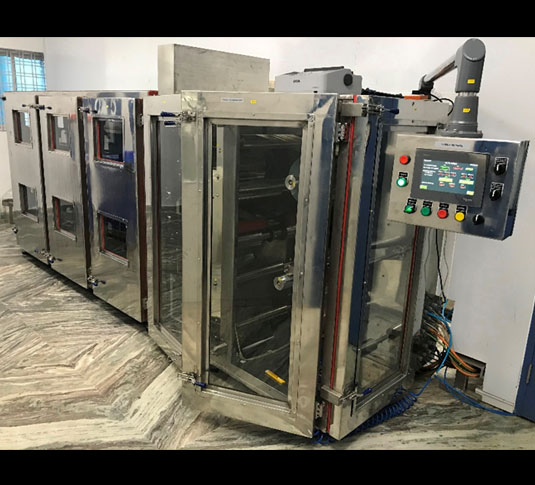
Why Automation Is Essential in Modern Industry
As markets demand higher output, tighter quality control, and faster delivery, manual systems can no longer keep up. Automation enables industries to meet these demands while maintaining consistency and compliance.
Key Drivers for Automation Adoption
- Rising labor costs and skill shortages
- Need for consistent product quality
- Increased production complexity
- Demand for real-time monitoring
- Regulatory and safety requirements
Automation ensures repeatable results regardless of scale or complexity.
Key Elements of Industrial Engineering and Automation
1. Process Design and Optimization
Industrial engineering begins with analyzing and redesigning processes to eliminate inefficiencies.
This includes:
- Value stream mapping
- Bottleneck analysis
- Cycle time reduction
- Layout optimization
Well-designed processes are easier to automate and deliver better performance.
2. Intelligent Machine Development
Automation-driven machines are designed to operate with minimal human intervention.
Key features include:
- Servo and motion control systems
- Recipe-based operations
- Automatic fault detection
- Self-diagnostic capabilities
Such machines deliver consistent output with reduced downtime.
3. Control Systems and Automation Software
Control systems manage machine behavior and process logic.
Technologies used:
- PLC-based control systems
- HMI interfaces for operator interaction
- SCADA systems for plant-level monitoring
- Industrial communication networks
These systems ensure precise control and real-time visibility of operations.
4. Smart Instrumentation and Sensors
Sensors play a crucial role in automation by capturing real-time data such as:
- Temperature
- Pressure
- Speed
- Weight
- Position
Accurate instrumentation allows systems to react instantly to process variations.
5. Digital Integration and Analytics
Modern automation extends beyond machines into data intelligence.
Digital capabilities include:
- Production data logging
- Performance analytics
- Predictive maintenance
- Remote diagnostics
This enables informed decision-making and continuous improvement.
Industrial Engineering and Automation Across Industries
Industrial engineering and automation are widely applied across multiple sectors:
- Pharmaceuticals: Precision manufacturing and regulatory compliance
- Food & Beverage: Hygiene, consistency, and traceability
- Automotive: High-speed assembly and robotics
- Electronics: Micro-level accuracy and inspection
- Chemical Processing: Safe and controlled operations
Each industry benefits from customized automation strategies.
Quality, Safety, and Compliance Through Automation
Automation plays a vital role in maintaining quality and safety standards.
Key Benefits Include:
- Reduced human error
- Consistent product output
- Automated inspection and rejection
- Controlled operating environments
- Digital audit trails
For regulated industries, automation ensures adherence to global standards such as cGMP and ISO.
Common Challenges in Automation Projects
While automation delivers significant benefits, challenges can arise during implementation:
- Integrating new systems with existing equipment
- Managing change within the workforce
- Ensuring system flexibility for future needs
- Balancing cost with long-term ROI
A structured engineering methodology helps overcome these challenges.
iControl Technologies’ Approach to Automation
At iControl Technologies, we follow a solution-driven approach:
- Requirement analysis and system design
- Custom automation development
- Seamless integration and commissioning
- Validation and documentation support
- Long-term service and technical assistance
Our focus is on building systems that perform reliably throughout their lifecycle.
The Future of Industrial Engineering and Automation
The next phase of industrial automation is driven by innovation:
- Artificial intelligence for decision support
- Connected factories using Industrial IoT
- Autonomous production systems
- Energy-efficient and sustainable automation
- Human–machine collaboration through cobots
These advancements are redefining how industries operate and compete.
How to Choose the Right Automation Strategy
A successful automation strategy should:
- Align with business goals
- Support scalability and flexibility
- Integrate digital capabilities
- Ensure compliance and safety
- Deliver measurable ROI
Partnering with an experienced automation provider is key to success.
Conclusion
Industrial Engineering and Automation are fundamental to building resilient, efficient, and competitive industrial operations. By integrating intelligent engineering design with advanced automation technologies, industries can achieve consistent quality, optimized performance, and long-term growth.
At iControl Technologies, we help organizations transform complex industrial challenges into streamlined, automated solutions that deliver real value.